What Causes Ant Infestations in Kitchens and Bathrooms? Bug Pest Control in Woodstock, GA
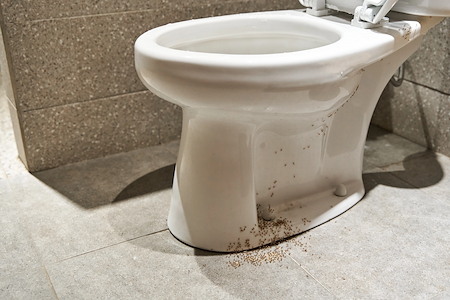
Kitchens and bathrooms are the two most common hotspots for ants in Woodstock, GA. That is not by accident. These rooms offer the three things ants seek most: water, food residue, and safe paths to nest sites. If activity is growing around sinks, dishwashers, tubs, or baseboards, it is time to consider professional help from TLC Pest Protection. Many homeowners start with the kitchen, then notice trails in the hall bath or owner’s suite as colonies expand. Early action with targeted bug pest control stops small trails from becoming daily invasions.
Why Kitchens Attract Ants In Woodstock Homes
Ants are expert foragers and communicators. A single scout finds a resource and lays a chemical trail for others to follow. Kitchens are rich with scent cues that draw them inside. Even a spotless space has micro-crumbs, sweet drink droplets, or grease aerosols that cling to cabinet bottoms and backsplashes. Refrigerators, ovens, and dishwashers also create warm gaps that feel secure to a traveling colony.
- Food odors travel farther than you think, especially sugars and oils.
- Hidden warmth behind appliances offers safe cover for trails.
- Drip trays and damp rags provide moisture for the colony’s daily needs.
In busy neighborhoods like Towne Lake or Downtown Woodstock, homes sit close together. A thriving outdoor colony can reach a row of kitchens through shared fence lines, mulch beds, and siding gaps. Once a trail succeeds, thousands can follow within days.
Why Bathrooms Draw Ants Even Without Food
Bathrooms provide moisture stability that ants struggle to find outdoors during hot Georgia afternoons. Drips at shutoff valves, condensation on toilet tanks, and damp subflooring under leaking wax rings all create micro climates. Ants do not need crumbs here. They come for water, safe shelter, and access points into wall voids where nests can expand.
Shower stalls, tile edges, and the space around tub overflows can develop hairline gaps. Ants use those seams like covered bridges. Over time, the same water that attracts them can soften wood or drywall, which makes tunneling easier. **Moisture is the number one driver** of bathroom infestations in Cherokee County homes.
Local Factors In Woodstock, GA That Make Ants Thrive
Our climate swings from cool, wet springs to hot, humid summers. Afternoon thunderstorms push colonies to higher, drier ground. That often means your foundation, siding, or roofline. In wooded areas near Little River, tree-lined yards and stacked firewood provide natural harborage close to exterior walls. Mulch beds along front walks and back patios hold moisture and keep ground temperatures steady, which helps ants survive heat spikes.
The Hidden Highways: How Ants Move Through Your House
Ants do not need big gaps. They follow hairline seams where materials meet: siding to brick, countertop to backsplash, baseboard to floor. Wiring and plumbing penetrations act like highways between rooms. Under a kitchen sink, a colony can pass through the cabinet back, disappear into the wall, and reappear behind a bathtub access panel on the other side of the house.
Window weep holes, door thresholds, and dryer vents also serve as entry points. Once inside, ants prefer the shaded side of framing and the edges of insulation. **Colonies with multiple queens** can split, forming satellite nests around kitchens and baths that share food through the same network.
What Different Ant Species Want Indoors
Not all ants behave the same. Sugar-loving species key in on syrups, fruit juices, and the thin film left by soda cans or sports drink bottles. Protein-seeking species focus on pet food and meat drippings on trash bins. Carpenter ants are larger and far more structural in their habits. They do not eat wood, but they excavate it to create galleries, often near wet window frames or damp subflooring. **Carpenter ants can worsen moisture damage** by expanding softened wood, so they need swift attention.
Because species vary, a treatment that works for one can fail for another. That is why precise identification matters before any control plan begins.
Moisture, Micro Leaks, And Everyday Water Use
Ants need a dependable water source. Kitchens and baths provide it in plain sight and behind walls. A slow drip at a P-trap, a sweating supply line, or a small ice maker leak can keep a trail active all year. Tile grout and caulk gaps along backsplashes or tub surrounds can wick moisture into trim and drywall, creating cool, protected zones where workers can rest and regroup.
In areas like Eagle Watch or near Noonday Creek, many homes have shaded lots that stay damp after storms. That keeps exterior pressure high. Once a trail connects outside moisture with inside plumbing or condensation, the colony has a year-round pipeline.
Sanitation Habits That Encourage Ant Trails
Daily life leaves behind scent clues. Trash bins that look clean may hold a thin sheen of sugar. Dish towels and sponges stay damp and rich with food odors. Even sealed snack bags can shed tiny particles during packing school lunches. Ants follow these clues to the source and then map shortcuts across baseboards and along cabinet toe kicks.
Pet feeding areas are common trail hubs. Kibble dust, broth from canned foods, and water splashes around bowls create a perfect mix. Over time, ants learn your schedule and arrive when the reward is most likely.
Common Signs You Are Dealing With An Established Infestation
- Repeated sightings at the same time of day along the same path.
- Trails that reappear within 24 hours after you wipe counters or floors.
- Rustling sounds inside wall voids at night in quiet bathrooms.
- Frass or fine debris under baseboards that may hint at carpenter activity.
When these signs show up together, the colony likely has multiple indoor water points and reliable food scent routes. At that stage, over-the-counter sprays can scatter trails without removing the source. **Scattering often makes nests branch**, which increases activity in new rooms.
Why Professional Treatment Works Better In Kitchens And Bathrooms
Licensed technicians understand how ant species feed, nest, and move. They look for water patterns, scent sources, and the structural seams ants use to avoid light. In a Woodstock kitchen, treatment may focus on appliance voids, cabinet perimeters, and plumbing chases. In bathrooms, attention shifts to access panels, tub overflows, and base trim. Products are chosen to match species behavior while keeping food prep and bathing areas protected.
Homeowners gain the most when treatment is part of a plan that addresses the entire property, inside and out. A coordinated approach interrupts trails at the perimeter, at likely entry points, and in key indoor hotspots. If you are ready to stop repeat invasions, our local team at TLC Pest Protection can help with targeted bug pest control that fits Woodstock homes and weather cycles.
What To Expect From A Local Service Visit In Woodstock
Your technician will review where you see ants most often, note time-of-day patterns, and check moisture risks around sinks, shutoff valves, and appliance lines. They will inspect exterior mulch beds, slab cracks, and siding transitions that line up with indoor activity. Based on species and pressure, they will build a plan that treats the trails you see and the sources you do not.
Curious about our broader solutions beyond ants? Explore our full extermination services to see how interior and exterior programs work together across seasons. For a high-level overview of our approach, you can also learn about bug pest control in Woodstock, GA before scheduling your visit.
Neighborhood And Seasonal Patterns We See
Across Woodstock, activity often rises after a string of warm, wet days. Downtown condos can see ants enter through utility chases shared between floors. Single-family homes around Towne Lake may see trails emerge along garage door frames that lead straight to pantry walls. Homes near wooded buffers or creeks tend to have persistent exterior pressure in late spring and early fall when colonies push to expand.
Summer heat can be relentless. When the ground dries in July, ants shift to irrigation lines, AC condensate drains, and shaded foundations for water. Bathrooms on the north side of a home often show the first signs because they stay cooler and damp longer after showers.
Why Acting Sooner Pays Off
Ants are small, but they work at scale. A single productive trail can supply several satellite nests. Waiting allows the colony to memorize more shortcuts and build more protected resting spots. That increases the time needed to unwind the network later. Quick, precise treatment in the first week or two of sightings usually means fewer visits and less disruption to your cooking and cleaning routines.
When you choose TLC Pest Protection, you get a local team that understands Woodstock’s layout, weather, and home styles. We match treatments to species, season, and building features so results last. If you are seeing activity around sinks, dishwashers, or tubs, a focused plan can restore comfort fast.
Ready To Stop Ants In Your Kitchen And Bathroom?
The sooner you bring in a pro, the sooner trails fade and stay gone. Schedule with TLC Pest Protection today and speak with a friendly coordinator at 404-829-0402. We will build a plan that fits your home, protect food and family spaces, and keep moisture-heavy rooms under control. To get started, request your appointment through our bug pest control service page and let our Woodstock team handle the rest.
Contact #1 Pest Control in Dallas, GA!